Zebu Spiritual Meanings and Symbolism
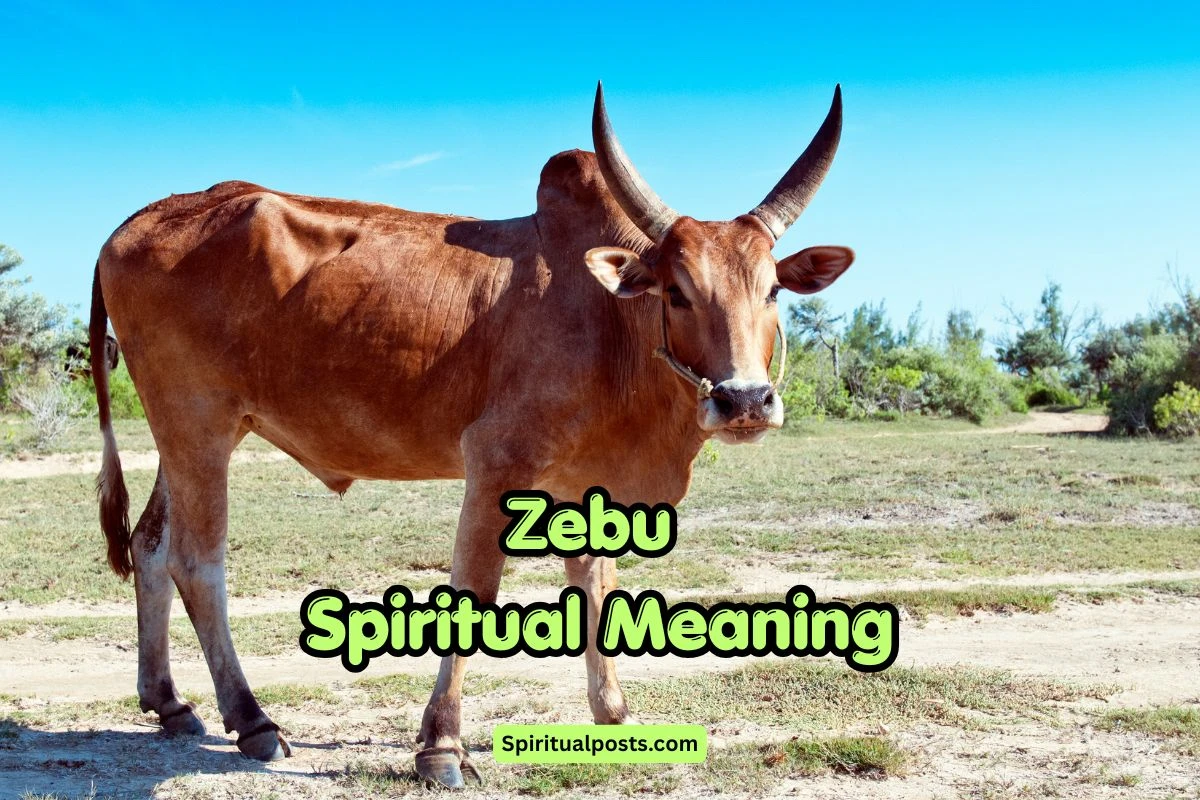
Have you ever stopped to ponder the deeper significance of the Zebu, that distinctive cattle breed from the Indian subcontinent? Its towering hump, a symbol of strength and endurance, invites us to reflect on the virtues of patience and compassion. Revered in Hindu and Buddhist traditions, the Zebu offers a wellspring of spiritual inspiration – one that can guide us towards inner stability and the courage to pursue our dreams. Uncover the profound meanings hidden within this remarkable creature, and discover how its calming presence can enrich your own journey of self-discovery.
Key Takeaways
- In Hindu and Buddhist traditions, Zebu is a sacred animal often associated with Lord Shiva, representing strength, endurance, and patience.
- Zebu’s calm and gentle nature can inspire compassion and empathy, while its grounding energy can help individuals tap into inner reserves of patience and stability.
- Zebu’s milk and dung are considered sacred and used in various spiritual and medicinal practices, reflecting its revered status in some cultures.
- Zebu’s horns and other body parts are sometimes used in the creation of traditional art and crafts, further highlighting its significance in cultural and spiritual realms.
Introduction to Zebu
Zebu, a distinctive breed of domestic cattle, is found primarily in parts of South Asia and Africa. They’re known for their prominent humped shoulders, long horns, and distinctive white or light-colored skin.
Zebu are revered for their strength, endurance, and adaptability to harsh environments. In many communities, they’re considered sacred animals and are often associated with deities and religious practices. Their hump, in particular, is believed to hold spiritual power and is sometimes used in rituals and ceremonies.
Additionally, zebu are highly valued for their meat, milk, and other byproducts, making them an essential part of the local economy and way of life. As you delve deeper into the world of zebu, you’ll discover a rich tapestry of cultural traditions, beliefs, and practices that have been woven around these remarkable creatures for centuries.
What Does It Mean When You See a Zebu ?
Depending on the cultural context in which you encounter a zebu, sighting these distinctive cattle can hold profound spiritual and symbolic meanings.
In Hindu traditions, the zebu is a sacred animal deeply connected to the divine. Seeing a zebu may signify divine protection, blessings, or a call to spiritual introspection. The hump on the zebu’s back is often interpreted as a manifestation of the sacred ‘bindu‘ or third eye, representing higher consciousness and enlightenment.
In certain African cultures, zebus are revered as symbols of wealth, strength, and community. Spotting a zebu can be seen as a positive omen, heralding prosperity, fertility, or the strengthening of familial and social bonds. The zebu’s gentle demeanor and resilience are sometimes viewed as embodiments of patience, fortitude, and the ability to thrive in challenging environments.
Regardless of the specific cultural lens, the appearance of a zebu often invokes a sense of the sacred, the mystical, and the interconnectedness of all living things. Attentive observation of these magnificent creatures can inspire deeper spiritual reflection and connection.
Zebu Symbolism
The rich cultural symbolism associated with zebus encompasses spiritual, economic, and social dimensions across diverse traditions.
In many cultures, the zebu is revered as a sacred animal, representing strength, fertility, and prosperity. Its distinctive hump is often seen as a symbol of the divine or the connection between the earthly and spiritual realms.
Economically, the zebu is a valuable livestock animal, providing milk, meat, and draft power. As such, it’s often a measure of wealth and social status, with larger herds signifying higher standing within a community.
Socially, the zebu plays a crucial role in rituals, ceremonies, and celebrations, serving as an offering, a sacrificial animal, or a central figure in festivities. The horns of the zebu are particularly symbolic, representing power, protection, and the cyclical nature of life.
7 Spiritual Meanings of Zebu
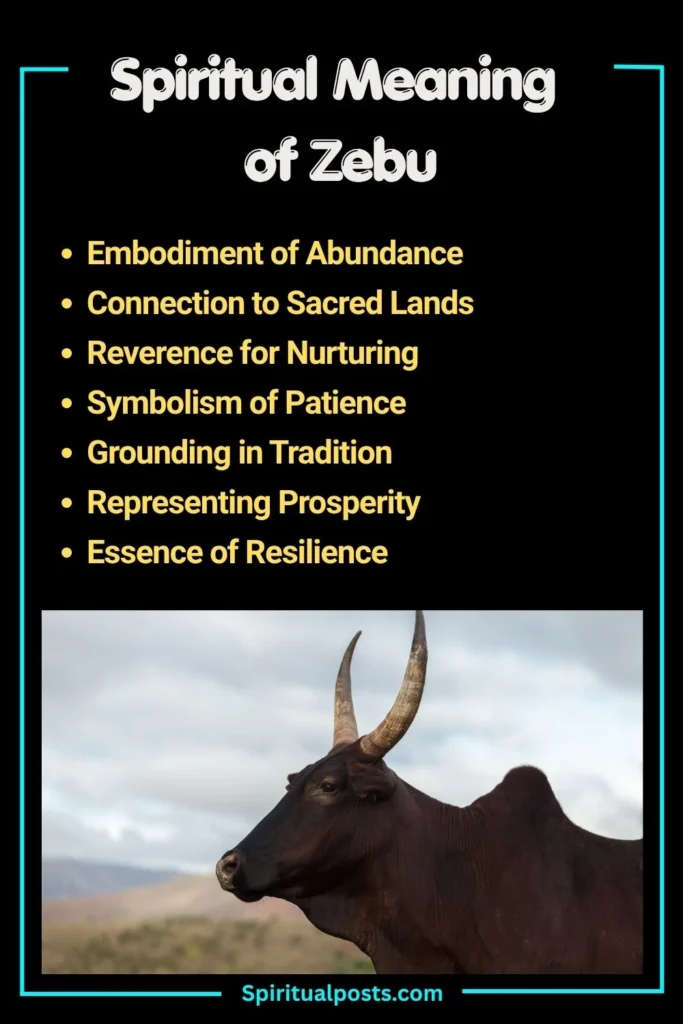
When it comes to the spiritual meanings of the zebu, you’ll find that this sacred bovine embodies a deep connection to abundance, the land, and nurturing.
The zebu is revered for its patience and grounding in tradition, serving as a powerful symbol of the cyclical nature of life.
Exploring the spiritual symbolism of the zebu can offer insights into the rich cultural heritage and deep reverence for the natural world.
Embodiment of Abundance
In many spiritual traditions, the zebu is revered as an embodiment of abundance, reflecting its role in sustaining communities through its versatile contributions to daily life. These majestic bovine creatures are seen as symbols of prosperity, fertility, and the cyclical nature of life.
Their ability to thrive in diverse environments, providing milk, meat, and labor, has made them integral to the survival and prosperity of many cultures across the world.
The zebu’s resilience and adaptability are particularly valued, as they can withstand harsh climates and scarce resources where other livestock may struggle. This resilience is often interpreted as a metaphor for the strength and endurance needed to overcome challenges and maintain abundance in one’s life.
Additionally, the zebu’s horns are sometimes associated with the concept of protection, representing the safeguarding of community resources and the sustenance they provide.
Connection to Sacred Lands
Across many spiritual traditions, the zebu is revered for its deep connection to sacred lands, serving as a living embodiment of the earth’s abundance and the cyclical rhythms that sustain communities. In Hindu and Buddhist cosmologies, the zebu is often depicted as a sacred guardian, its presence on the land signifying a harmonious relationship between humans and the natural world. The zebu’s roaming patterns are seen as a reflection of the ebb and flow of life, its movements attuned to the cycles of the seasons and the needs of the community.
For many indigenous cultures, the zebu is more than just a livestock animal – it’s a revered spiritual being, a conduit through which the sacredness of the land is honored and sustained. The zebu’s role as a provider of sustenance is imbued with profound meaning, its nourishment of the people understood as a sacred act of reciprocity with the earth. Through the zebu’s presence, communities are reminded of their responsibility to care for and protect the lands that support their way of life.
Reverence for Nurturing
The zebu’s nurturing essence commands reverence across spiritual traditions, as its life-sustaining gifts embody the sacred exchange between humanity and the natural world. Revered as a provider of nourishment, the zebu’s role as a pillar of sustenance is deeply ingrained in the worldview of many cultures. Its milk, meat, and labor are seen as blessings, symbolizing the generosity of the divine and the interconnectedness of all living beings.
The zebu’s steadfast devotion to its young further reinforces its association with nurturing. Its protective instincts and attentive care for its calves are viewed as a reflection of the divine maternal energy that underlies the cycle of life. In this way, the zebu becomes a vessel through which the sacred feminine principle of creation, nourishment, and preservation is expressed and honored.
Across spiritual practices, the zebu’s capacity to sustain life is celebrated, and its presence is often invoked to invoke blessings of abundance, fertility, and the perpetuation of the natural order.
Symbolism of Patience
Patience emerges as a cardinal virtue embodied by the zebu, its unhurried gait and unwavering perseverance inspiring contemplation of the spiritual rhythms that undergird the natural world. The zebu’s placid demeanor and measured movements evoke a sense of tranquility, reminding us to slow down and appreciate the beauty in the gradual unfolding of life’s tapestry.
This bovine embodiment of equanimity encourages us to cultivate our own inner reserves of stillness and forbearance, to weather the inevitable storms of existence with grace and composure.
In the zebu’s steadfast presence, we find a potent symbol of the power of endurance, a living testament to the transformative potential of patient dedication. Its ability to navigate challenging terrain with unwavering resolve mirrors the spiritual journey, where progress is often marked by incremental steps rather than dramatic leaps.
Grounding in Tradition
Rooted in the traditions of ancient civilizations, the spiritual meanings ascribed to the zebu transcend the boundaries of time and culture, offering a profound and timeless connection to the rhythms of the natural world. The zebu, a breed of cattle revered in many Eastern and African societies, has long been imbued with deep symbolic significance, serving as a conduit to the divine and a representation of the intricate web of life.
In Hindu and Buddhist traditions, the zebu is often associated with qualities of steadfastness, strength, and patience, embodying the virtues that ground individuals and communities in the face of adversity. Its unwavering presence in sacred rituals and ceremonies speaks to the enduring role of this majestic creature in anchoring spiritual practices and beliefs.
Moreover, the zebu’s deep connection to the land and its ability to thrive in harsh environments have made it a symbol of resilience, a reminder that true grounding comes not from the fleeting, but from the eternal rhythms that sustain all life.
Representing Prosperity
Beyond its symbolic ties to resilience, the zebu’s enduring presence in many cultures also represents a deep-rooted connection to prosperity and abundance. You’ll find this majestic creature frequently depicted in art and rituals as a conduit for material and spiritual well-being, a living embodiment of the fecundity that sustains both individual and communal thriving.
The zebu’s impressive size, strength, and ability to thrive in harsh environments have long been seen as indicators of its power to attract and preserve wealth. In Hindu traditions, the zebu is often associated with Lakshmi, the goddess of prosperity, due to its role in supporting agricultural prosperity through plowing and providing milk, meat, and draft power.
Similarly, in parts of Africa, the zebu is revered as a symbol of both material and spiritual abundance, its presence in a herd signifying the blessings of good fortune and fruitfulness. Thus, the zebu’s symbolic importance extends far beyond its practical value, serving as a visual reminder of the divine sources of sustenance and success.
Essence of Resilience
In addition to its symbolic ties to prosperity, the zebu’s indomitable spirit and ability to endure harsh conditions have long imbued it with profound spiritual significance across diverse cultural traditions.
The zebu’s remarkable resilience, which allows it to thrive in arid, inhospitable environments, has captivated many societies and played a central role in their belief systems.
This hardy bovine’s capacity to persevere through adversity and emerge stronger has made it a potent symbol of tenacity, adaptability, and the triumph of the human spirit.
In the face of drought, disease, or other challenges that might devastate other livestock, the zebu stands tall, embodying the unwavering determination needed to overcome life’s trials.
For many, the zebu’s steadfast nature serves as a powerful reminder of the importance of maintaining hope, cultivating inner strength, and drawing upon one’s reserves of resilience, even in the darkest of times.
Its enduring presence in the lives of those who revere it underscores the timeless truth that with perseverance and an unbreakable will, one can overcome any obstacle.
Zebu Symbolism in Different Cultures and Contexts
Zebu, the distinctive humped cattle, have long held symbolic significance across diverse cultural traditions.
From the sacred reverence in Native American cosmology to the celestial associations in Celtic and Nordic mythology, these bovine icons embody a rich tapestry of spiritual meanings.
Similarly, African and Eastern cultures have incorporated zebu into their religious and metaphorical landscapes, reflecting the deep-rooted connections between these animals and the human experience.
Native American Culture
Although zebu have long held symbolic significance in the cultures of South Asia, their meanings and representations have also resonated deeply within Native American traditions.
In many Native American belief systems, the zebu is seen as a sacred animal, embodying the connection between the physical and spiritual realms. The distinctive hump of the zebu is often interpreted as a bridge between the earth and the heavens, symbolizing the ability to transcend the material world and access the divine.
Moreover, the zebu’s role as a provider of sustenance and resources is highly revered in Native American cultures. The animal’s meat, milk, and hide are all utilized, reflecting the deep respect and appreciation for its life-sustaining qualities.
Additionally, the zebu’s gentle and patient nature is celebrated, as it’s seen as a reflection of the virtues of humility, perseverance, and harmony with the natural world.
Celtic Culture
While the zebu’s symbolic significance is deeply rooted in Native American cultures, its representations have also resonated powerfully within the Celtic tradition. You’ll find that the zebu’s distinctive features and life-sustaining qualities have been revered and interpreted through the unique lens of Celtic spirituality and mythology.
In Celtic lore, the zebu’s humped back was seen as a manifestation of the sacred mountains that were central to their worldview. The zebu’s role as a provider of nourishment and sustenance was also highly valued, as the Celts venerated cattle as symbols of wealth, fertility, and abundance.
Additionally, the zebu’s adaptability and resilience were seen as reflections of the Celtic spirit, able to thrive in challenging environments.
Zebu imagery has been discovered in Celtic artwork and ritual objects, suggesting a deep reverence for these animals. Their depictions were often imbued with spiritual significance, serving as totems or talismans that connected the Celtic people to the natural world and the divine.
The zebu’s enduring presence in Celtic culture highlights its universal appeal as a creature worthy of celebration and veneration.
Nordic Culture
Just as the zebu captivated the imaginations of Celtic peoples, its symbolic resonance extends into the rich cultural tapestry of the Nordic region. In the world of Norse mythology, the zebu’s powerful physique and endurance were seen as embodiments of strength and resilience – qualities highly revered among the hardy Norsemen. The zebu’s horns, in particular, were imbued with deep cosmic significance, representing the interconnectedness of the earthly and divine realms.
Within Nordic spiritual practices, the zebu was often depicted in ritualistic artwork, its horns serving as gateways to the realms of the gods. Shamans and spiritual leaders would invoke the zebu’s energy during ceremonies, seeking to harness its formidable power and connection to the natural world.
The zebu’s milk and meat were also seen as sacred offerings, sustaining both the physical and metaphysical needs of the community.
Across the Nordic cultures, the zebu stood as a symbol of prosperity, protection, and the delicate balance between the mortal and immortal spheres of existence.
African Culture
Alongside the rich Nordic symbolism, the zebu’s cultural significance finds profound expression within the diverse tapestry of African societies.
Across the continent, these humped cattle are revered for their resilience, adaptability, and deep spiritual connections. In many communities, the zebu is seen as a sacred link between the physical and metaphysical realms, its presence believed to invoke blessings and protection.
In West Africa, the zebu is often associated with wealth, prosperity, and social status, with the ownership of these impressive animals denoting prestige and influence. Their horns are sometimes used in traditional rituals and ceremonies, symbolizing strength, virility, and the divine horns of ancestral spirits.
Meanwhile, in parts of East Africa, the zebu’s distinctive appearance is celebrated through intricate body painting and artistic depictions, reflecting the animal’s revered status within the local culture.
Across the diverse regions of the African continent, the zebu stands as a powerful cultural icon, its symbolic significance woven deeply into the spiritual and social fabric of many communities.
Eastern Culture
Transcending its African origins, the zebu’s symbolic resonance extends into the diverse cultures of the East, where its revered status manifests in multifaceted ways.
In India, the zebu is considered a sacred animal, closely linked to the divine figure of Shiva. Its distinctive hump is seen as a physical representation of the spiritual energy or ‘third eye‘ associated with Shiva, making the zebu a potent symbol of divine wisdom and enlightenment.
Beyond its religious significance, the zebu also holds an important economic role, serving as a draft animal crucial to agricultural practices across the Indian subcontinent.
Further east, in Thailand and other parts of Southeast Asia, the zebu is celebrated in traditional folklore and cultural rituals. The zebu’s strength and endurance are revered, and its image is often depicted in regional art and architecture, symbolizing prosperity, fertility, and the vital connection between humans and the natural world.
This multifaceted symbolism underscores the zebu’s profound cultural resonance within the diverse tapestry of Eastern societies.
Hindu Culture
The zebu’s sacred status in Hindu culture is firmly rooted in its deep symbolic association with the revered deity Shiva. The zebu’s distinctive hump is seen as a physical manifestation of the spiritual energy or ‘third eye‘ linked to Shiva, making it a potent icon of divine wisdom and enlightenment.
Within the Hindu pantheon, the zebu is closely tied to Shiva’s role as the destroyer and transformer of the cosmic order. Its presence is often found in temples and shrines dedicated to Shiva, where the zebu’s image is venerated alongside the god’s own iconography. In Hindu mythology, Shiva’s mount is the mighty bull Nandi, whose zebu-like features reflect the deity’s own sacred power and authority.
Beyond its divine symbolism, the zebu also holds immense practical significance in Hindu agricultural and pastoral traditions. Its hardy constitution, adaptability, and utility as a draft animal have long made it an integral part of rural Indian livelihoods, further cementing its hallowed status within Hindu culture and belief systems.
Arts and Literature
Beyond the Hindu faith, you’ll find the zebu’s symbolic resonance echoes across diverse artistic and literary traditions around the world. The zebu’s distinctive hump and horns have captured the imagination of cultures far beyond India, inspiring visual artists, poets, and storytellers.
In ancient Egyptian art, the zebu appears as a sacred animal associated with the gods. Likewise, in parts of Africa, the zebu is revered for its strength and resilience, appearing in tribal artwork and folktales.
In South American literature, the zebu symbolizes the resilience of rural communities, as seen in the works of authors like Jorge Amado. Meanwhile, in Chinese painting and calligraphy, the zebu represents stability, harmony, and prosperity.
Its powerful presence has also influenced textile designs, architecture, and even musical traditions in diverse cultural contexts. Whether depicted as a worshipped deity, a beloved companion, or an embodiment of collective identity, the zebu’s symbolic significance extends far beyond the boundaries of Hinduism, permeating the broader tapestry of global arts and literature.
Mythology
Zebu’s symbolic resonance permeates diverse mythological narratives worldwide, from ancient Egyptian deities to African tribal folklore.
In Egyptian mythology, the zebu was associated with the powerful bull deity Apis, a symbol of strength, virility, and divine kingship. The zebu’s horns were seen as a conduit for spiritual energy, linking the earthly and divine realms.
Similarly, in parts of Africa, zebu cattle are revered as sacred, embodying ancestral spirits and playing a central role in rituals and ceremonies. Their horns are often depicted in tribal art, representing the animals’ connection to the supernatural.
Beyond its religious significance, the zebu has also been celebrated in more secular mythological tales. In Indian folklore, the zebu’s distinctive hump is said to have been formed when the animal carried the Hindu god Krishna on its back.
And in certain Polynesian cultures, zebu are associated with wealth, prosperity, and fertility, their presence in a community believed to bring good fortune.
Across these diverse mythological contexts, the zebu emerges as a powerful symbol, imbued with spiritual resonance and cultural meaning.
Zebu Biblical Meanings
While the Bible doesn’t explicitly mention the term ‘zebu,’ there are a few passages that may hold symbolic significance for this bovine species.
In the Old Testament, the word ‘cattle’ is often used to refer to a broad range of domesticated livestock, which could include zebu. For instance, in Exodus 9:3, God warns that a ‘severe pestilence’ will strike the Egyptians’cattle, which may have included zebu herds.
Similarly, in Psalm 50:10, the psalmist declares that ‘every beast of the forest is mine, and the cattle on a thousand hills.’ This verse could be interpreted as acknowledging God’s dominion over all domesticated animals, including zebu.
Additionally, the zebu’s robust build and ability to thrive in harsh environments may be seen as a symbol of strength, resilience, and God’s provision. While the Bible doesn’t directly address the spiritual meaning of zebu, these indirect references suggest that this bovine species could hold a place within the broader biblical narrative of domesticated livestock and God’s relationship with the natural world.
Spiritual Meaning of Dream About Zebu
When you dream about zebu, the spiritual meaning may relate to your need for strength, endurance, and resilience in your life. The zebu’s hardy nature in harsh environments could symbolize your own ability to persevere through challenges.
These magnificent bovine creatures are known for their adaptability and survival instincts, thriving in arid regions where most other livestock would struggle. In your dream, the zebu may be encouraging you to tap into your inner reserves of determination and grit, reminding you that you have the capacity to overcome obstacles and emerge stronger.
The zebu’s association with agricultural labor and economic stability may also signify a need for you to focus on practical matters, such as financial security or achieving your goals through consistent, hard work. Pay attention to the zebu’s behavior and interactions in your dream, as these details may provide further insight into the specific message or guidance being conveyed.
Embrace the zebu’s spirit of tenacity and resilience, and let it inspire you to face life’s challenges with unwavering courage and resolve.
Zebu Spirit Animal, Totem, and Power Animal
The zebu can serve as a powerful spirit animal, totem, or power animal, offering guidance and insights to those who seek its wisdom.
As a spirit animal, the zebu represents strength, endurance, and resilience. Its ability to thrive in harsh environments can inspire you to overcome challenges and persevere through difficult times. The zebu’s adaptability can also teach you to be more flexible and open to change in your own life.
As a totem, the zebu can symbolize connection to the natural world and a deeper appreciation for the cycles of life. Its horns may represent spiritual protection, while its gentle nature can encourage you to cultivate more compassion and empathy. Meditating on the zebu’s characteristics can help you tap into your own inner reserves of patience, stability, and grounding.
As a power animal, the zebu can provide you with the courage and determination to pursue your goals. Its unwavering focus and determination can inspire you to stay true to your path, even in the face of obstacles. Invoking the zebu’s energy can help you access a wellspring of strength and confidence to achieve your aspirations.
Conclusion
The Zebu, revered in Hindu and Buddhist traditions, is a powerful spiritual symbol.
It represents strength, endurance, and inner stability.
Its prominent hump and gentle nature inspire compassion and serve as a reminder to stay focused and determined in pursuing one’s goals.
Whether in meditation or daily life, the Zebu’s symbolic meaning can help individuals tap into their own reserves of patience, courage, and grounding energy.


