Azawakh Spiritual Meanings and Symbolism
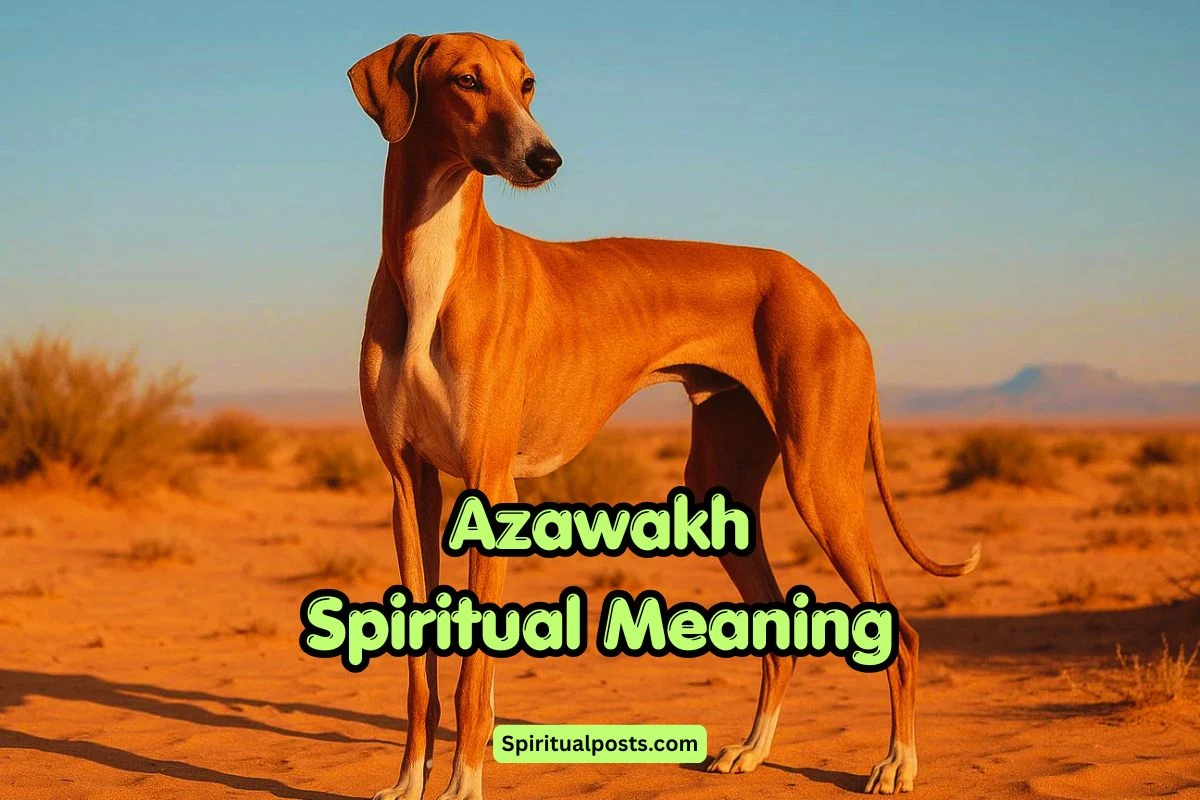
The Azawakh, an ancient hound from the Sahara, carries deep spiritual meaning across cultures. Its slender, graceful build and strong ties to nature represent loyalty, intuition, and balance between the physical and unseen worlds.
Known as a sacred protector, this breed’s strength and watchfulness reflect a mystical charm that draws people in. Exploring its symbolism reveals the hidden layers that have fascinated humans for centuries.
Key Takeaways
- The Azawakh is revered as a sacred guardian and protector animal in various African cultures, symbolizing strength, loyalty, and connection to the natural world.
- In Eastern spiritual traditions, the Azawakh represents spiritual agility, heightened intuition, and the harmonious duality of light and shadow.
- In Hindu culture, the Azawakh is associated with spiritual discipline, heightened awareness, and the metaphor for the interplay between light and shadow.
- The Azawakh’s ability to thrive in the harsh desert environment and its keen senses make it a symbol of endurance, resilience, and intuitive connection to the land.
Introduction to Azawakh
The Azawakh is a sight hound bred in the Sahara Desert, where nomadic tribes relied on them for hunting and protection. These dogs are famous for their speed, agility, and sharp senses, making them exceptional hunters. Their long, lean bodies and refined features give them a striking and elegant appearance.
Azawakhs are intelligent and independent, needing an owner who can train them firmly and keep them engaged. They can be reserved around strangers and have a strong instinct to chase small animals. Yet, for those who understand them, they become devoted and loving companions, forming deep connections with their families. Their proud posture and intense eyes show both nobility and power.
What Does It Mean When You See an Azawakh?
Spotting an Azawakh can stir a feeling of raw awe, as they carry the wild spirit of the Sahara. Their sleek, muscular build and alert eyes reflect the toughness needed to survive in a harsh desert.
| Symbolic Meaning | Visual Representation |
|---|---|
| Endurance | Covers long distances effortlessly, even in extreme heat. |
| Vigilance | Always alert, using sharp senses to detect danger or prey. |
| Harmony with Nature | Moves gracefully, perfectly adapted to desert life. |
Meeting an Azawakh is like witnessing the untamed soul of the Sahara, reminding us how dogs can link us to nature’s ancient rhythms.
Azawakh Symbolism
Beyond their physical traits, the Azawakh holds rich spiritual symbolism, representing deeper truths:
- Discernment: Their sharp instincts teach us to read subtle signs and make wise choices.
- Adaptability: Their ability to thrive in tough conditions shows the value of flexibility and resilience.
- Guardianship: Their loyalty highlights the role of a protector, both in life and spirit.
- Endurance: Their stamina inspires us to push through challenges with courage.
These qualities make the Azawakh more than a dog—it’s a symbol of strength, wisdom, and deep connection to the natural world.
7 Spiritual Meanings of Azawakh
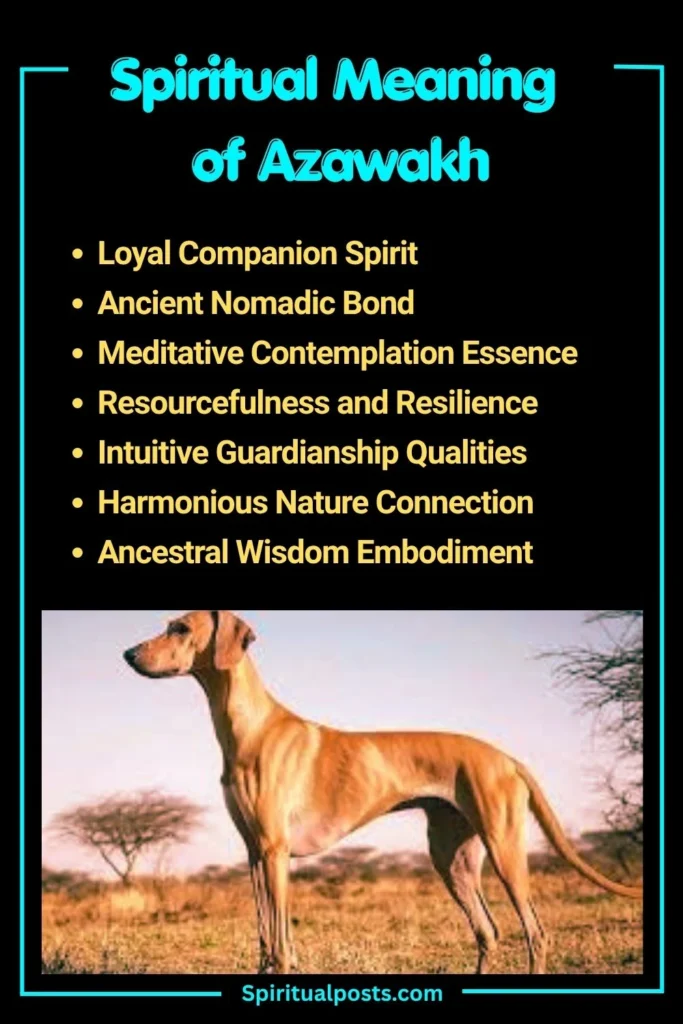
1. Loyal Companion Spirit
The Azawakh is known for being more than just a dog—it’s a faithful companion that stays by your side no matter what. These hounds form a deep emotional bond with their human family. Over time, this connection turns into a powerful sense of trust and protection.
What makes this bond special is the Azawakh’s unwavering loyalty. It will stand by its person through good days and bad ones. When you’re feeling low, it’s often right there, quietly offering support. This emotional connection feels real and comforting.
The Azawakh also shows strong protective instincts. If it senses danger, it doesn’t hesitate. It will guard the people it cares about. This is not about training—it’s part of who they are. They feel it’s their duty to protect.
Their loyalty is also about being there, no matter what. Whether you’re sitting quietly or walking outdoors, the Azawakh stays close, forming a kind of spiritual link. You can sense that it sees you as part of its world, and you belong together.
2. Ancient Nomadic Bond
The Azawakh shares a unique and spiritual connection with nomadic tribes, especially those in the Sahara desert. These dogs didn’t just live with the people—they traveled, protected, and survived alongside them. That history forms a bond that’s deeper than most.
For centuries, the Azawakh helped the Tuareg and other tribes. It wasn’t only about helping to guard camps or chase threats. These dogs became a part of the family, trusted for their instincts and valued for their presence in harsh conditions.
Over time, this close connection gave the Azawakh a special place in nomadic life. The dog seemed to understand the rhythm of the desert, moving with grace and purpose. That kind of harmony isn’t something you see every day.
Many people today still believe the Azawakh serves as a bridge between the physical and spiritual worlds. Its presence brings peace, awareness, and a quiet strength that connects the human soul with the land around them.
3. Meditative Contemplation Essence
There’s a peaceful energy in the Azawakh’s presence. When it walks, it moves slowly and smoothly, almost like it’s thinking deeply with every step. Watching it can make you feel calm. This quality often brings people into a space of quiet reflection.
Looking into an Azawakh’s eyes can pull you into a moment of stillness. You may feel more aware of your thoughts, your breath, or your surroundings. This isn’t by chance—the dog’s energy encourages inner peace and clarity.
Living close to nature, the Azawakh has learned to be patient. It waits, watches, and listens. This behavior shows strength through stillness, reminding us that peace can be powerful, especially when life feels overwhelming.
The Azawakh also seems to sense the mood around it. If you’re stressed or anxious, it might sit nearby, quietly keeping you company. Its calm nature helps others slow down and be present. In this way, the dog becomes a quiet teacher of balance and focus.
4. Resourcefulness and Resilience
Life in the Sahara isn’t easy, but the Azawakh has always found ways to survive. With its thin frame and strong legs, it can run for long distances and use energy wisely. This built-in strength has helped it live through tough conditions.
The Azawakh doesn’t waste energy. It moves only when it needs to. It finds shade, stays still when the heat is too much, and watches carefully before making a move. These habits show smart choices and survival skills.
Even though the land is dry and food is limited, the Azawakh has learned to adapt. It knows where to look, when to rest, and how to stay safe. These abilities are part of its deep connection to the desert.
This kind of endurance isn’t only physical. The Azawakh also has mental strength. It doesn’t panic easily. Instead, it stays calm, alert, and focused—qualities that are important not only in the desert, but in life too.
5. Intuitive Guardianship Qualities
The Azawakh doesn’t need loud barking or aggression to protect. Its quiet alertness and sharp senses are enough. It picks up on small sounds or slight changes in energy. This natural awareness makes it an excellent guardian.
When something feels off, the Azawakh acts fast. It doesn’t wait for trouble to come close. It will stand between you and the danger, ready to protect. That’s part of its deep loyalty and connection to the people it loves.
It also knows when to be gentle. The Azawakh can tell when someone needs space or comfort. This makes its guardianship feel more personal and thoughtful. It’s not guarding out of habit—it’s doing it out of care.
In the desert, quick thinking and fast reactions are key. The Azawakh has both. It can change how it guards, depending on what’s needed. This kind of adaptive protection helps it keep both people and animals safe in every situation.
6. Harmonious Nature Connection
The Azawakh fits into its natural surroundings like a puzzle piece. Its body, senses, and instincts are all built for the desert. This deep connection to the land shows in the way it moves, rests, and responds to its environment.
Its strong legs and slim body help it move across sand and heat without getting tired quickly. These physical traits show a perfect match with the land it calls home. It doesn’t fight the desert—it flows with it.
The Azawakh also listens closely. Its ears pick up far-off sounds, and its eyes can spot motion in the distance. These abilities let it stay in tune with the desert’s rhythms and warnings, like changes in weather or danger nearby.
Every part of the Azawakh reflects its surroundings. From the way it blends with the sand to the way it protects its tribe, the dog is a living symbol of balance with nature. This harmony makes it feel deeply spiritual to many.
7. Ancestral Wisdom Embodiment
The Azawakh doesn’t only live in the moment. It also carries the memory of its ancestors. Each step it takes reflects the lessons of past generations. This ancestral wisdom shows in how it moves, reacts, and cares for those around it.
It senses wind changes, tracks movement quietly, and picks up small signals from both people and animals. These traits didn’t appear overnight—they were shaped by years of survival and learning from the desert.
The Azawakh doesn’t waste time or energy. It knows when to rest, when to act, and how to stay balanced. This kind of calm decision-making shows a deep understanding of life’s cycles, passed down through the ages.
Perhaps the most amazing part is how closely it bonds with people. Without needing words, it seems to understand what others are feeling. This quiet communication is part of its heritage, built from centuries of walking beside humans under the open desert sky.
Azawakh Symbolism in Different Cultures and Contexts
The Azawakh hound carries deep symbolic meaning in many cultures. Known for its speed, grace, and loyalty, this breed represents more than just a hunting companion. From Native American tribes to Celtic warriors, different societies have honored the Azawakh for its spiritual and physical traits.
In Nordic myths, it’s linked to legendary wolves, while in African traditions, it’s seen as a guardian of the desert. Eastern and Hindu cultures also admire its intuition and discipline. The Azawakh’s influence even extends to art, literature, and mythology, making it a powerful symbol worldwide.
Native American Culture
Many Native American tribes see the Azawakh as a sacred messenger. Its speed and agility connect it to the spirit world, where it guides and protects. Some believe it can sense unseen forces, acting as a bridge between humans and the supernatural.
The breed’s endurance and sharp senses reflect qualities tribes value, like balance and awareness. By honoring the Azawakh, they strengthen their bond with nature and tradition. Its presence reminds them of the interconnectedness of all life.
Celtic Culture
In Celtic tradition, the Azawakh symbolizes strength and protection. Its lean, athletic body resembles the swift movements of Celtic warriors. The breed’s hunting skills are compared to the quick strikes of a skilled fighter.
Celts also believe the Azawakh has a mystical connection. It’s thought to guide souls to the afterlife, much like messenger spirits in their myths. With its regal appearance, the hound represents nobility and grace, key virtues in Celtic culture.
Nordic Culture
Nordic mythology ties the Azawakh to legendary creatures like Fenrir, the great wolf. Its speed and alertness mirror the Valkyries, who carry warriors to Valhalla. The breed’s loyalty is similar to the bond between heroes and their hounds.
Modern Nordic cultures still admire the Azawakh for its athleticism and spirit. Its presence is linked to forest spirits and ancient legends, making it a symbol of both power and mystery.
African Culture
In African traditions, the Azawakh is a guardian and spiritual guide. Nomadic tribes like the Tuareg rely on its keen senses for survival in the desert. Its resilience and devotion are seen as sacred traits.
Many believe the breed has a deep connection to ancestral spirits. Its role as a protector makes it a respected figure in rituals and stories. The Azawakh’s elegance and strength reflect the values of African heritage.
Eastern Culture
Eastern spirituality views the Azawakh as a symbol of loyalty and intuition. Its quick reflexes represent spiritual agility, while its protective nature highlights the importance of safeguarding loved ones.
The breed’s ability to understand human emotions is seen as a divine gift. In some traditions, it’s a reminder to stay alert and graceful in life’s challenges.
Hindu Culture
In Hindu beliefs, the Azawakh embodies discipline and awareness. Its lean form symbolizes the focus needed for enlightenment. Yogis sometimes meditate on its energy, inspired by its grace and alertness.
The hound’s markings are even thought to represent light and shadow, key concepts in Hindu philosophy. This makes the Azawakh a living symbol of balance and harmony.
Arts and Literature
The Azawakh’s beauty has inspired artists and writers for centuries. In West African folklore, it’s a guardian spirit, while Tuareg nomads honor it in tapestries and carvings.
Authors use the breed to explore themes like freedom, instinct, and loyalty. Its striking silhouette appears in sculptures and paintings, celebrating its elegance and wild spirit.
Mythology
In African myths, the Azawakh is tied to the wind and desert spirits. Some believe it communicates with the supernatural, acting as a bridge between worlds.
Its noble appearance fuels legends of heroic hounds across cultures. From ancient tales to modern stories, the Azawakh remains a timeless symbol of strength and mystery.
Azawakh Biblical Meanings
The Azawakh is often linked to grace, speed, and endurance in biblical symbolism. Proverbs 6:5 compares its swift movement to “a gazelle from the hand of the hunter,” highlighting its natural agility. This verse reflects how the Azawakh moves with effortless speed, much like animals praised in scripture.
Another key reference is Isaiah 40:31, which speaks of strength and perseverance: “They shall mount up with wings like eagles.” The Azawakh’s stamina aligns with this idea, showing how endurance is a gift. Its ability to run long distances mirrors the spiritual strength described in the verse.
Psalms 18:33 mentions “feet like a deer,” emphasizing sure-footedness and balance. The Azawakh’s light, precise steps make it a perfect example of this trait. Similarly, Job 39:1 marvels at the resilience of wild animals, much like the Azawakh’s hardy nature.
Habakkuk 3:19 declares, “He makes my feet like the deer’s,” reinforcing themes of grace and power. The Azawakh embodies these qualities in both physical and symbolic ways. Proverbs 5:19 also uses the imagery of a “graceful doe,” further connecting the breed to elegance and beauty in scripture.
Through these verses, the Azawakh stands as a symbol of swiftness, resilience, and divine craftsmanship. Its presence in biblical metaphors highlights the admiration for creatures that move with purpose and strength.
Spiritual Meaning of Dreaming About an Azawakh
Dreaming of an Azawakh can carry deep spiritual messages tied to instinct, endurance, and intuition. Since this breed comes from the Sahara desert, it often represents the ability to thrive in tough conditions. Your dream might be reminding you of your own inner strength.
The Azawakh’s slender, athletic form in a dream could symbolize agility in facing challenges. Its keen senses may also suggest that you should trust your gut feelings more. If the dog is running freely, it might reflect a desire for freedom or a call to move swiftly toward your goals.
If the Azawakh appears close to you in the dream, it could highlight loyalty or a deep spiritual connection. This breed forms strong bonds, so your subconscious might be pointing to relationships that need attention. Paying attention to the emotions in the dream can help uncover its true meaning.
Dreams about Azawakhs often encourage self-reflection. They may be urging you to stay resilient, rely on intuition, or embrace your natural instincts. The details of the dream—whether the dog is resting, running, or watching—can offer clues about what your spirit is trying to tell you.
Azawakh as a Spirit Animal, Totem, and Power Animal
Having the Azawakh as a spirit animal means you embody speed, awareness, and endurance. This breed’s desert origins teach survival through adaptability. If the Azawakh guides you, it may be a sign to stay alert and trust your instincts in difficult situations.
As a totem animal, the Azawakh represents grace under pressure. Its lean build and sharp reflexes remind you to move through life with precision and confidence. Those who connect with this totem often have a strong sense of independence and determination.
If the Azawakh is your power animal, it boosts your ability to persist through challenges. Its energy helps you stay focused and quick-thinking, especially when facing obstacles. The Azawakh’s loyalty also reinforces the importance of protecting those you care about.
Key lessons from the Azawakh spirit include:
- Resilience – Thriving even in harsh conditions.
- Intuition – Trusting your senses to guide you.
- Loyalty – Valuing deep, meaningful connections.
- Agility – Adapting quickly to changes.
By embracing these traits, you can channel the Azawakh’s powerful energy in your own life.
Final Thoughts
The Azawakh holds a special place in spiritual and biblical symbolism as a creature of speed, grace, and endurance. Its presence in scripture and dreams often points to inner strength and instinctual wisdom. Whether as a spirit guide or metaphor, it teaches valuable lessons.
This breed’s keen awareness and loyalty make it a powerful symbol for those seeking clarity and connection. Its ability to navigate tough terrains mirrors life’s challenges, reminding us to stay resilient. The Azawakh’s elegance also highlights the beauty in movement and purpose.
Across cultures and beliefs, the Azawakh stands as a guardian of intuition and perseverance. Its energy encourages us to move forward with confidence while staying true to our instincts. By understanding its symbolism, we can apply its lessons to our own spiritual journeys.
You Might Also Like
1)
2)
3)
4)
5)


