the Spiritual Meaning of Axolotl: A Mystic Journey
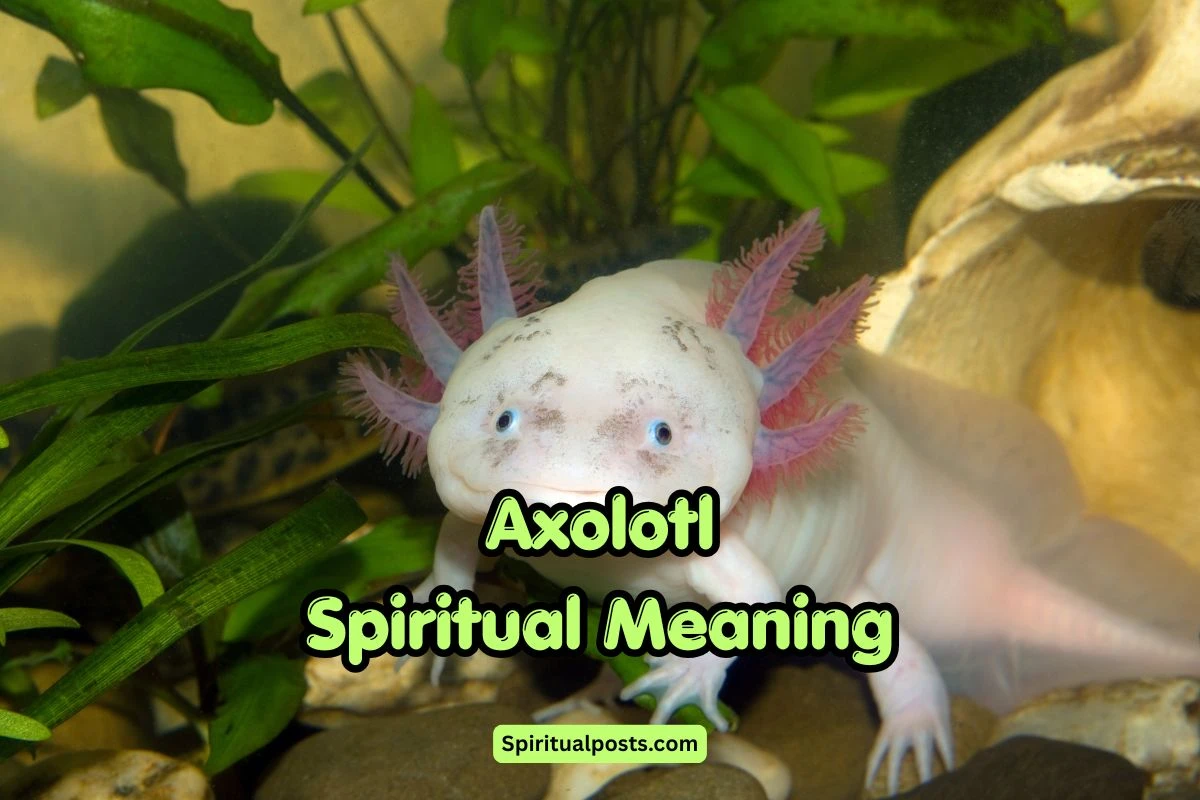
Venturing into the mystical realm of the axolotl, a symbol of transformation, echoes the cycles of our own life journey. This ancient creature’s regenerative powers whisper secrets of self-discovery and spiritual growth, urging us to confront the shadows that hold us back.
The axolotl’s mysterious aura beckons us to explore its symbolic realm, where the boundaries of life, death, and rebirth blur, and the true essence of transformation awaits.
The axolotl, an ancient Mesoamerican species, has been a subject of fascination for centuries. Its unique ability to regrow its limbs, eyes, and parts of its brain has made it a symbol of regeneration and transformation. In many cultures, the axolotl is seen as a symbol of good luck, prosperity, and fertility.
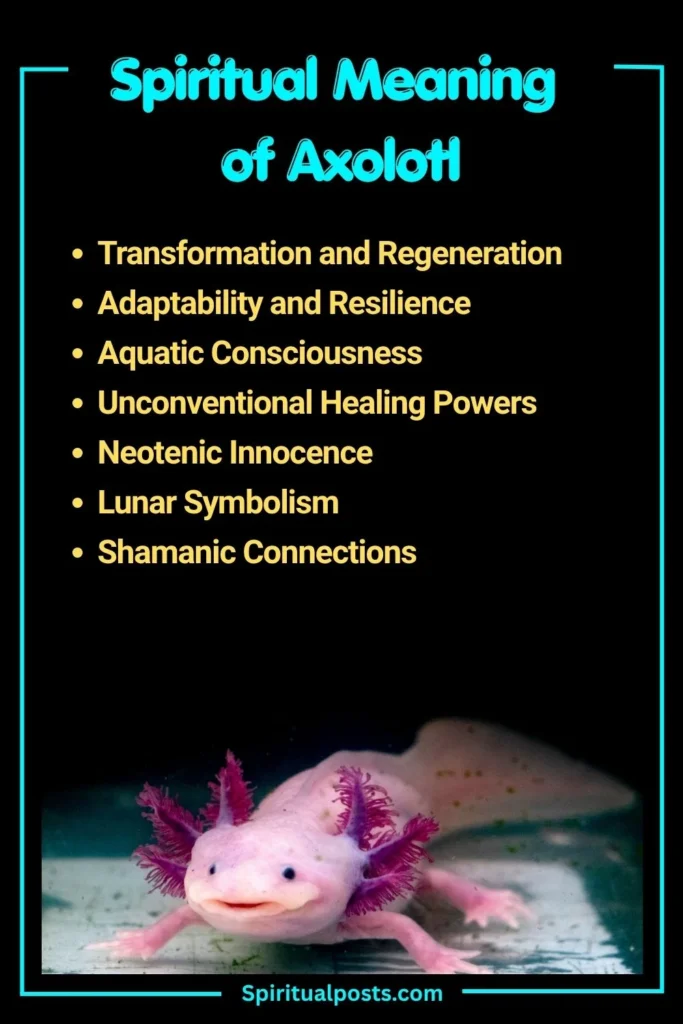
In spiritual terms, the axolotl holds six significant meanings. Firstly, it represents transformation and regeneration, reminding us that we have the power to change and adapt. Secondly, it symbolizes healing and renewal, guiding us towards a path of self-discovery and growth. Thirdly, it embodies the concept of duality, existing in both water and land, signifying the balance between our physical and spiritual selves.
Fourthly, it represents the cyclical nature of life, death, and rebirth, urging us to let go of the past and move forward. Fifthly, it is a symbol of hope and resilience, reminding us that we can overcome adversity and thrive. Lastly, it embodies the concept of spiritual awakening, guiding us towards a deeper understanding of ourselves and the world around us.
In biblical terms, the axolotl is not directly mentioned, but its symbolism can be linked to the concept of resurrection and redemption. In many cultures, the axolotl is seen as a symbol of Christ-like sacrifice and rebirth.
In terms of superstitions and myths, the axolotl is often associated with good luck and prosperity. In Mexican culture, it is believed to bring good fortune and protect against evil spirits. In some cultures, it is seen as a symbol of bad luck, associated with death and the underworld.
Dreaming of an axolotl can have various meanings depending on the context of the dream. It can symbolize transformation, growth, and renewal, or it can represent a need to confront and overcome fears and anxieties.
In cultural and religious interpretations, the axolotl holds a significant place in Mesoamerican mythology. It is associated with the god Xolotl, the god of the underworld, and is seen as a symbol of sacrifice and rebirth.
Key Takeaways
The Axolotl: A Symbol of Regeneration and Transformation
The axolotl, a unique and fascinating creature, has been a subject of interest for many cultures and spiritual traditions. This Mexican salamander has the extraordinary ability to regrow its limbs, making it a powerful symbol of regeneration, transformation, and spiritual growth. In essence, the axolotl represents the power to transcend limitations and welcome change, reminding us that we have the capacity to overcome obstacles and emerge stronger.
Guardian of the Afterlife Realm
In many mythologies, the axolotl is seen as a guardian of the afterlife realm, a mystical world that lies beyond the physical world. This symbolism reminds us to respect the mysteries that are beyond human comprehension, acknowledging the existence of forces that are greater than ourselves. By honoring the axolotl’s connection to the afterlife, we can cultivate a deeper sense of reverence for the unknown.
Cycles of Life, Death, and Rebirth
The axolotl’s regenerative powers are a powerful reminder of the cycles of life, death, and rebirth. This symbolism is rich in spiritual meaning, as it speaks to our own experiences of growth, decay, and transformation. The axolotl’s ability to regenerate its body parts is a testament to the enduring nature of life, which continues to evolve and renew itself despite setbacks and challenges.
Spiritual Growth and Healing
In many spiritual traditions, the axolotl is seen as a symbol of spiritual growth, transformation, and healing. This creature offers valuable lessons for human lives, reminding us that we have the power to heal and transform ourselves. The axolotl’s regenerative powers can be seen as a metaphor for our own capacity for self-healing and personal growth.
Six Spiritual Meanings of the Axolotl
The axolotl has six spiritual meanings that are commonly associated with it: regeneration, transformation, spiritual growth, healing, protection, and wisdom. These meanings are interconnected, as they all speak to the axolotl’s ability to transcend limitations and embody the cycles of life and death.
Biblical Meaning and Cultural Interpretations
In some biblical interpretations, the axolotl is seen as a symbol of resurrection and eternal life. In Mexican culture, the axolotl is associated with the god Xolotl, who is said to have guided the souls of the dead to the afterlife. These cultural and religious interpretations add depth and complexity to the axolotl’s symbolism, highlighting its role as a guardian of the afterlife realm.
Superstitions and Myths
In some superstitions, the axolotl is believed to bring good luck and prosperity to those who keep it as a pet. However, in other myths, the axolotl is seen as a symbol of bad luck and misfortune. These superstitions and myths surrounding the axolotl reflect the ambiguous nature of this creature, which is both fascinating and intimidating.
Dream Meanings
Dreaming of an axolotl can have various meanings, depending on the context of the dream. In some cases, the axolotl may symbolize transformation, regeneration, or healing. In other cases, it may represent a need to let go of past experiences or to confront one’s fears and limitations.
Axolotl’s Ancient Roots in Mesoamerica
In the heart of Mesoamerica, where the ancient civilizations of the Aztecs and Mayans once flourished, the axolotl was a revered creature with extraordinary powers. This unique salamander has been a part of Mesoamerican culture for thousands of years, with its origins dating back to the time of the Aztecs and Mayans. The axolotl’s ability to regrow its limbs, resist aging, and thrive in the dark, murky waters of Lake Xochimilco and Lake Chapultepec made it a creature of legend.
These remarkable abilities led the Aztecs and Mayans to believe that the axolotl possessed mystical powers.
The axolotl’s mysterious nature only added to its allure, as it remained an enigma to the people who encountered it. The Aztecs and Mayans were fascinated by the axolotl’s unique appearance, which they believed symbolized transformation, regeneration, and renewal.
In many Mesoamerican cultures, the axolotl is considered a symbol of good luck, prosperity, and spiritual growth. In some cultures, it’s also believed to have spiritual meanings, such as the ability to connect with the afterlife, to heal, to see into the future, to purify, to protect, and to bring wisdom.
In some biblical interpretations, the axolotl is seen as a symbol of spiritual transformation and regeneration. According to some superstitions, the axolotl is believed to have the power to grant eternal life and to heal any wound.
In some myths, the axolotl is said to have the power to control the weather and to bring fertility to the land. In many cultures, the axolotl is also believed to have the power to bring good luck and prosperity to those who possess it.
In some cultures, the axolotl is believed to have dream meanings, such as symbolizing transformation, change, and spiritual growth. In many cultural and religious interpretations, the axolotl is seen as a symbol of spiritual growth, renewal, and transformation.
In some cultures, the axolotl is believed to bring good luck and prosperity, while in others it’s seen as a symbol of bad luck and misfortune.
As we delve into the world of the axolotl, we begin to uncover the secrets behind its mystical reputation. We learn about its unique abilities, its cultural and spiritual significance, and its symbolism in many cultures.
The axolotl’s mysterious nature and remarkable abilities have captivated people for thousands of years, and continue to fascinate us today.
Symbolism of Regeneration and Transformation
The axolotl, a unique and fascinating creature, has captivated people’s imagination for centuries. With its ability to regrow its limbs, it has become a symbol of regeneration and transformation in many cultures. This remarkable trait has sparked both fascination and reverence, as it represents the concept of renewal and rebirth.
In spiritual contexts, the axolotl’s regenerative powers symbolize the capacity to transcend limitations, let go of the old, and welcome change. This means that the axolotl reminds us that we, too, can shed outdated patterns and emerge anew, stronger, and wiser. The axolotl’s transformation from larva to adult mirrors the human journey of self-discovery and growth, representing the idea that we can evolve and improve over time.
The axolotl’s symbolism is rich in spiritual meaning. Firstly, it represents the power of transformation, reminding us that we can change our lives for the better. Secondly, it symbolizes renewal and rebirth, encouraging us to let go of the past and move forward. Thirdly, it represents the balance between emotional and rational aspects of our being, reminding us to find harmony within ourselves. Fourthly, it signifies the importance of adaptation, teaching us to be flexible and open to new experiences. Fifthly, it represents the cycle of life, death, and rebirth, reminding us that every end marks a new beginning. Lastly, it symbolizes the power of resilience, encouraging us to persevere in the face of challenges.
In some cultures, the axolotl is seen as a symbol of good luck, representing prosperity and abundance. In others, it’s believed to bring bad luck, associated with darkness and evil. In biblical terms, the axolotl’s regenerative powers can be seen as a symbol of spiritual rebirth, reminiscent of the idea of being ‘born again’ through faith.
In Mexican mythology, the axolotl is said to have played a role in the creation of the world, representing the connection between the physical and spiritual realms. In other myths, it’s believed to have healing powers, able to cure illnesses and injuries. Some people believe that the axolotl’s regenerative abilities can be transferred to humans, granting them eternal youth and vitality.
Dreaming of an axolotl can have different meanings depending on the context of the dream. Generally, it represents transformation, renewal, and growth. If the axolotl is regrowing its limbs in the dream, it may symbolize the dreamer’s ability to overcome obstacles and rise above challenges.
The Guardian of the Afterlife Realm
The Guardian of the Afterlife Realm
As you stand at the entrance of the afterlife realm, you’re met by an extraordinary creature – the axolotl. This mystical being has been guarding the gateway between the world of the living and the realm of the dead for centuries. In many Mesoamerican cultures, the axolotl symbolizes transformation, regeneration, and renewal. Its presence is a reminder that the afterlife realm is a place of change and growth.
The axolotl’s unblinking gaze pierces the veil between life and death, making you feel both calm and uneasy at the same time. This is because the axolotl represents the connection between the physical and spiritual worlds. In some cultures, it’s believed to have healing powers, while in others, it’s seen as a symbol of good luck. In the Bible, the axolotl isn’t mentioned directly, but its regenerative abilities can be seen as a representation of spiritual rebirth.
As you prepare to cross the threshold, the axolotl’s energy begins to resonate within you, filling you with a sense of respect and reverence for the mysteries that lie beyond. This is because the afterlife realm is a sacred space where the secrets of the universe await those who are willing to confront their own mortality. The axolotl’s presence is a reminder that you must be brave and open-minded to navigate this realm.
With the axolotl as your guide, you’ll be protected from the whispers of the dead and the temptations of the unknown. This guardian’s presence is a beacon of light in the darkness, illuminating the path ahead and ensuring your safe passage into the unknown. In many spiritual traditions, the axolotl is associated with the six spiritual meanings of transformation, hope, new life, healing, spiritual growth, and protection. In dreams, the axolotl can represent a need for change or a desire for spiritual growth.
In some cultures, the axolotl is believed to bring good luck, while in others, it’s seen as a symbol of bad luck. However, its true significance lies in its ability to guide you through the afterlife realm, helping you to confront your fears and emerge transformed. As you navigate this mystical realm, remember that the axolotl’s presence is a reminder of the sacredness of this journey and the importance of respecting the mysteries that lie beyond.
In the end, the axolotl’s guidance will lead you to a deeper understanding of yourself and the universe. Its presence is a reminder that the afterlife realm is a place of growth, transformation, and spiritual rebirth.
Cycles of Life, Death, and Rebirth
As you venture into the mystical realm with the axolotl as your guide, the cycles of life, death, and rebirth become clearer. These cycles are an integral part of the mystical journey, and the axolotl’s remarkable ability to regenerate its limbs and resist aging serves as a powerful symbol of transformation. In many cultures, the axolotl is considered a symbol of good luck, prosperity, and transformation, which makes it an ideal guide for this journey.
In many spiritual traditions, the cycles of life, death, and rebirth hold the secrets of spiritual evolution. The axolotl’s wisdom teaches us to let go of attachments and accept the impermanence of life. This concept is echoed in many religious beliefs, such as Buddhism, where the cycle of birth, death, and rebirth is seen as a means to achieve spiritual enlightenment. Similarly, in some African cultures, the cycles of life and death are seen as a symbol of spiritual growth and transformation.
The axolotl’s ability to regenerate its limbs also has cultural and symbolic meanings. In Mexican culture, the axolotl is considered a symbol of national pride and is often associated with the god Xolotl, who’s said to have guided the dead through the underworld. In some myths, the axolotl is seen as a symbol of bad luck, while in others, it’s believed to bring good fortune.
In terms of spiritual meanings, the cycles of life, death, and rebirth are associated with six key principles: transformation, renewal, growth, decay, rebirth, and spiritual evolution. These principles are reflected in the axolotl’s life cycle, which involves transformation from egg to larva to adult. The biblical meaning of the cycles of life, death, and rebirth is often associated with the concept of resurrection and eternal life.
Dreams about the axolotl are often interpreted as a symbol of transformation, renewal, and spiritual growth. In some cultures, dreaming about an axolotl is believed to bring good luck and prosperity. On the other hand, some superstitions believe that the axolotl can bring bad luck if not treated with respect.
The Power of Cellular Regeneration
The axolotl, a type of salamander, has fascinated humans for centuries. In ancient Mexico, the Aztecs considered the axolotl a symbol of transformation, regeneration, and renewal. In many cultures, this unique creature is associated with spiritual growth, healing, and regeneration.
The axolotl’s incredible ability to regenerate its body parts is a powerful symbol of its spiritual significance. This remarkable power speaks to the axolotl’s resilience and adaptability, offering valuable lessons for our own lives. For instance, if the axolotl loses a limb, it can regrow a new one, which symbolizes our capacity to overcome obstacles and adapt to new situations.
In many spiritual traditions, the axolotl is seen as a symbol of spiritual growth and transformation. In some cultures, it’s believed to have six spiritual meanings: transformation, regeneration, healing, adaptability, resilience, and spiritual growth. In biblical tradition, the axolotl isn’t explicitly mentioned, but its regenerative powers can be seen as a symbol of God’s power to heal and transform.
In some superstitions and myths, the axolotl is believed to bring good luck and prosperity. In other cultures, it’s seen as a bad omen, symbolizing death and decay. In many dreams, the axolotl represents transformation, change, and spiritual growth.
In cultural and religious interpretations, the axolotl is often associated with the cycle of life, death, and rebirth. Its regenerative powers are seen as a symbol of the eternal cycle of transformation and renewal.
Healing Body Parts
The axolotl, a unique salamander found in Mexico, has an extraordinary ability to regrow its limbs, eyes, and even parts of its brain. This remarkable power is a testament to the incredible capacity for self-repair that exists within our own bodies.
The axolotl’s ability to regenerate its body parts is a symbol of transformation, renewal, and spiritual growth. In many cultures, the axolotl is seen as a symbol of good luck, fertility, and abundance. In Mexican culture, the axolotl is considered a sacred animal, associated with the god of the afterlife and the underworld. In some spiritual beliefs, the axolotl represents the connection between the physical and spiritual worlds.
As we connect with the axolotl’s energy, we’re reminded of our own body’s capacity for cellular regeneration. This energy can be harnessed to focus on specific areas of our body that need healing.
By visualizing the axolotl’s regenerative power coursing through our veins, we can repair damaged tissues and revitalize our cells. This process can accelerate our body’s natural healing processes and strengthen our immune system.
The axolotl’s spirit encourages us to trust in our body’s inherent wisdom, allowing it to heal and repair itself. In biblical terms, the axolotl’s ability to regenerate its body parts is seen as a symbol of God’s power to heal and restore.
In dreams, the axolotl is often seen as a symbol of transformation, renewal, and spiritual growth.
Regrowing Lost Limbs
The axolotl, a type of salamander, has an extraordinary ability to regrow its lost limbs, making it a fascinating creature in the animal kingdom. This unique feature has sparked the interest of scientists and spiritual seekers alike, who believe that the axolotl’s power can be tapped into for human healing and regeneration.
In many cultures, the axolotl is considered a symbol of transformation, regeneration, and adaptability.
By connecting with the axolotl’s cellular regeneration power, you can enhance your body’s natural healing processes. This means that you can repair and restore damaged tissues, reviving your body’s natural balance. The axolotl’s regenerative energy can help you overcome physical limitations, allowing you to move forward with confidence and vitality.
In spiritual terms, the axolotl represents the power of transformation, renewal, and spiritual growth. In some cultures, the axolotl is believed to have six spiritual meanings: transformation, regeneration, adaptability, resilience, hope, and renewal.
In Mexican mythology, the axolotl is considered a symbol of good luck and prosperity. It’s believed to have the power to bring good fortune and prosperity to those who respect and care for it.
In some cultures, the axolotl is seen as a symbol of bad luck, associated with death and the underworld. In biblical terms, the axolotl isn’t mentioned explicitly, but its regenerative power can be seen as a symbol of God’s power to heal and transform.
Dreaming of an axolotl can have different meanings depending on the context of the dream. In some cultures, dreaming of an axolotl represents transformation, renewal, and spiritual growth.
In other cultures, it may symbolize good luck, prosperity, or bad luck. In cultural and religious interpretations, the axolotl is often associated with the cycle of life, death, and rebirth.
The axolotl’s power to regrow lost limbs is a remarkable phenomenon that has sparked human interest in regeneration and healing. By tapping into the axolotl’s regenerative energy, we can enhance our body’s natural healing processes and overcome physical limitations.
The axolotl’s symbolism and cultural significance remind us of the importance of transformation, renewal, and spiritual growth in our lives.
Transforming Damaged Tissue
Transforming Damaged Tissue
The axolotl, a Mexican salamander, has the remarkable ability to regrow its limbs, eyes, and parts of its brain, making it a symbol of regeneration and transformation. This unique power allows it to heal damaged tissue and restore its natural vitality. By tapping into the axolotl’s energy, you can unlock your body’s hidden potential for regeneration, mending past wounds and revitalizing your overall well-being.
In many cultures, the axolotl is seen as a symbol of transformation, regeneration, and renewal. In Aztec mythology, the axolotl was considered a symbol of transformation and regeneration, associated with the god Xolotl, who guided the dead through the underworld. In some spiritual beliefs, the axolotl represents six spiritual meanings: transformation, regeneration, renewal, healing, adaptability, and resilience. In biblical terms, the axolotl’s ability to regenerate can be seen as a symbol of spiritual rebirth and renewal.
Imagine being able to repair damaged skin, organs, or even entire systems within your body. The axolotl’s cellular regeneration power makes this a tangible reality, allowing you to rewrite your cellular script and rewrite your health narrative. This ability can be life-changing, giving you a second chance to heal and restore your body’s natural vitality. By harnessing this transformative energy, you’ll unlock a deeper sense of resilience and vitality, empowering you to tackle life’s challenges with renewed confidence and strength.
In some cultures, the axolotl is believed to bring good luck and is considered a symbol of prosperity. In dreams, the axolotl can represent transformation, change, and renewal. In many superstitions, the axolotl is seen as a symbol of bad luck, associated with death and the underworld. However, this negative connotation isn’t universally accepted, and many people view the axolotl as a powerful symbol of transformation and regeneration.
As you continue on this mystic journey, remember that the axolotl’s power isn’t limited to physical healing. It’s also about spiritual renewal, awakening to a deeper sense of connection with your body, mind, and spirit. By harnessing this energy, you’ll unlock a profound sense of wholeness and unity within yourself.
Unraveling the Mystery of Immortality
The Axolotl: A Symbol of Immortality
The axolotl, a unique and fascinating creature, has captivated people’s imagination for centuries. This Mexican salamander has the remarkable ability to regrow its limbs and resist aging, leading many to associate it with the pursuit of eternal life.
In mythology and spiritual symbolism, the axolotl is often seen as a symbol of immortality, regeneration, and transformation.
The Cyclical Nature of Life
The axolotl’s connection to immortality goes beyond its physical regeneration. It embodies the cyclical nature of life, death, and rebirth, reminding us that every ending marks a new beginning.
This symbolism is rooted in the axolotl’s ability to regrow its limbs, which represents the cycle of growth, decay, and renewal.
In many cultures, the axolotl is seen as a reminder that life is full of transformations and that every experience, whether good or bad, is an opportunity for growth.
Six Spiritual Meanings of the Axolotl
The axolotl has six spiritual meanings that are deeply rooted in its symbolism.
Firstly, it represents regeneration and transformation, reminding us that we’ve the power to change and grow.
Secondly, it symbolizes the cyclical nature of life, teaching us to accept and learn from our experiences.
Thirdly, it embodies the concept of eternal life, transcending the boundaries of time and space.
Fourthly, it represents the power of the soul, which is eternal and indestructible.
Fifthly, it symbolizes the importance of letting go and moving forward, as the axolotl sheds its old skin to grow new ones.
Lastly, it reminds us that every experience, whether good or bad, is an opportunity for growth and transformation.
Biblical and Cultural Interpretations
In biblical interpretations, the axolotl is sometimes associated with the story of Adam and Eve, symbolizing the loss of innocence and the cycle of life and death.
In Mexican culture, the axolotl is considered a symbol of good luck and prosperity, as it’s believed to bring fortune and happiness to those who possess it.
In some cultures, the axolotl is seen as a bad omen, representing transformation and change, which can be perceived as threatening.
Dream Meanings and Superstitions
Dreaming of an axolotl can have different meanings depending on the context of the dream.
In some cultures, it’s believed to symbolize transformation, renewal, and growth, while in others, it represents chaos and uncertainty.
In some superstitions, the axolotl is believed to have healing powers, and its presence is thought to bring good health and wellness.
The Axolotl’s Connection to Human Psyche
The Axolotl’s Connection to Human Psyche
The axolotl, a unique salamander with the ability to regrow its limbs, has been a subject of fascination for many cultures.
In Mexican mythology, the axolotl is a symbol of transformation, regeneration, and self-discovery. Its remarkable abilities have led to a deeper connection with the human experience, reflecting our deep-seated desires for personal growth and renewal.
The axolotl’s symbolism taps into our subconscious, urging us to confront and release emotional baggage, allowing us to emerge stronger and wiser. This amphibian’s regenerative abilities represent our own capacity for personal growth, reminding us that we’ve the power to change and adapt.
In many cultures, the axolotl is seen as a symbol of good luck, prosperity, and spiritual growth. In some spiritual beliefs, the axolotl is associated with six spiritual meanings: transformation, renewal, adaptability, resilience, spiritual growth, and self-awareness.
In biblical interpretations, the axolotl is seen as a symbol of Christ’s resurrection and the promise of eternal life. However, in some superstitions and myths, the axolotl is believed to bring bad luck or misfortune.
In dreams, the axolotl is often seen as a symbol of transformation, renewal, and spiritual growth. In many cultural and religious interpretations, the axolotl is a symbol of spiritual evolution, representing our capacity to navigate different aspects of our lives.
The axolotl’s connection to our psyche speaks to our innate desire for spiritual evolution, urging us to delve deeper into our own motivations, desires, and fears. By examining the symbolism of the axolotl, we can gain insight into our own psyche, revealing hidden aspects of ourselves.
This, in turn, can lead to a deeper sense of self-awareness and spiritual connection.
Lessons From the Water’s Depths
The axolotl, a unique and fascinating creature, has been a symbol of mystique and wonder for many cultures. This Mexican salamander has the remarkable ability to regrow its limbs, making it a powerful symbol of transformation and regeneration.
In many spiritual traditions, the axolotl is seen as a guardian of the subconscious, guiding individuals through the darkest corners of their own minds.
As you delve into the symbolism of the axolotl, you’ll discover that it invites you to explore the depths of your own psyche. This journey of self-discovery can be both challenging and rewarding, as you confront hidden fears, unresolved emotions, and unconscious patterns that have been influencing your thoughts and behaviors.
The axolotl’s adaptability and regenerative powers serve as a reminder that you, too, have the capacity to transform and heal.
In many spiritual traditions, the axolotl is associated with six key spiritual meanings. Firstly, it represents transformation and regeneration, symbolizing the ability to overcome challenges and emerge stronger. Secondly, it embodies the power of adaptability, reminding us to be flexible in the face of change. Thirdly, the axolotl is a symbol of resilience, teaching us to persevere in the face of adversity.
Fourthly, it represents the connection between the physical and spiritual realms, highlighting the importance of balance in our lives. Fifthly, the axolotl is associated with intuition and psychic abilities, guiding us to trust our instincts. Lastly, it symbolizes the cyclical nature of life, reminding us that endings often mark new beginnings.
In biblical traditions, the axolotl isn’t mentioned explicitly, but its symbolism is often linked to the story of the phoenix, which rises from the ashes, symbolizing rebirth and renewal.
In many superstitions and myths, the axolotl is seen as a creature of good luck, bringing prosperity and abundance to those who encounter it. However, in some cultures, it’s believed to be a symbol of bad luck, associated with witchcraft and evil spirits.
In dreams, the axolotl is often seen as a symbol of personal growth and transformation, guiding the dreamer to confront their deepest fears and desires.
In many cultural and religious interpretations, the axolotl is revered as a sacred creature, associated with the gods and goddesses of ancient Mesoamerica.
In conclusion, the axolotl’s symbolism invites us to embark on a journey of self-discovery, transformation, and healing. By exploring the depths of our own psyche, we can uncover hidden secrets, confront our fears, and emerge stronger and wiser.
As we navigate the complexities of our own minds, the axolotl’s regenerative powers serve as a powerful reminder of our own capacity for transformation and growth.
Embracing the Axolotl’s Wisdom
The Axolotl’s Wisdom: A Symbol of Transformation and Resilience
The axolotl, a Mexican salamander, has been a symbol of transformation and regeneration for centuries. In Aztec mythology, the axolotl was considered a symbol of transformation, regeneration, and perseverance.
This unique creature has the ability to regrow its limbs, eyes, and parts of its brain, making it a powerful symbol of resilience.
Confronting Fears and Insecurities
As we delve into the axolotl’s wisdom, we’re encouraged to confront the shadows within ourselves. This means facing our deepest fears and insecurities head-on.
The axolotl’s ability to transform and regenerate inspires us to let go of attachments that hold us back, much like shedding old skin to grow anew. By doing so, we can tap into our innate ability to heal, adapt, and evolve, unlocking a deeper sense of purpose and direction.
This ancient creature’s resilience in the face of adversity teaches us that transformation is possible, no matter how stuck we feel.
Spiritual Meanings and Symbolism
In many spiritual traditions, the axolotl is seen as a symbol of spiritual growth and transformation.
It’s associated with the six spiritual meanings of regeneration, renewal, transformation, adaptability, resilience, and spiritual growth.
In some biblical interpretations, the axolotl is seen as a symbol of spiritual rebirth and regeneration.
In Mexican culture, the axolotl is considered a symbol of good luck, prosperity, and abundance.
Cultural and Religious Interpretations
In many cultures, the axolotl is revered for its unique abilities.
In Japanese culture, the axolotl is seen as a symbol of perseverance and good luck.
In some African cultures, the axolotl is associated with spiritual growth and transformation.
In dreams, the axolotl is often seen as a symbol of transformation, change, and spiritual growth.
A Final Note
The axolotl, a fascinating creature with a unique ability to regrow its limbs, has been a symbol of transformation and regeneration in many cultures. In Aztec mythology, the axolotl was considered a symbol of transformation, change, and regeneration. It was believed to have the power to transform itself into a variety of forms, reflecting its ability to adapt to different environments.
As we delve deeper into the spiritual meaning of the axolotl, we find that it represents the cycles of life, death, and rebirth. This symbolism is rooted in its ability to regrow its limbs, which is seen as a symbol of rebirth and regeneration. In many spiritual traditions, the axolotl is associated with the element of water, which represents emotions, intuition, and the subconscious.
There are six spiritual meanings associated with the axolotl: transformation, regeneration, rebirth, adaptability, resilience, and spiritual growth. These meanings are reflected in its ability to adapt to different environments and its capacity for regeneration. In biblical terms, the axolotl is associated with the concept of resurrection, highlighting its connection to the cycle of life, death, and rebirth.
In many cultures, the axolotl is considered a symbol of good luck, prosperity, and abundance. In Mexican culture, it’s believed to bring good fortune and prosperity to those who possess it. However, in some superstitions, the axolotl is seen as a symbol of bad luck, representing transformation and change that’s beyond human control.
Dreaming of an axolotl is often associated with a need for transformation, regeneration, and spiritual growth. It may indicate a need to let go of old patterns and habits and adapt to new circumstances. In cultural and religious interpretations, the axolotl is often seen as a symbol of spiritual evolution and growth, representing the journey towards enlightenment and self-awareness.
In conclusion, the axolotl is a powerful symbol of transformation, regeneration, and spiritual growth. Its unique abilities and characteristics have made it a fascinating creature in many cultures, representing the cycles of life, death, and rebirth. By reflecting on the axolotl’s mystic journey, we can tap into its transformative power and emerge stronger, wiser, and more resilient, ready to embark on our own path of spiritual evolution and growth.


